
Services
Tool relocation with a clear structure.
Relocations usually arise due to quality or process issues – or because the existing supplier is no longer able to deliver. The key is a structured transition that maintains production stability. Hermann Gilbert manages these projects in a controlled and coordinated manner.
When is relocation advisable or necessary?
When production suddenly becomes unstable.
Such changes are usually not driven by strategic considerations, but by specific operational issues. Common triggers include:
What is the key factor when relocating tool?
Secure production – not start from scratch.
A relocation does not mean starting from scratch. The aim is to take over an existing production line in a controlled manner, stabilise processes and reliably restore delivery capacity.
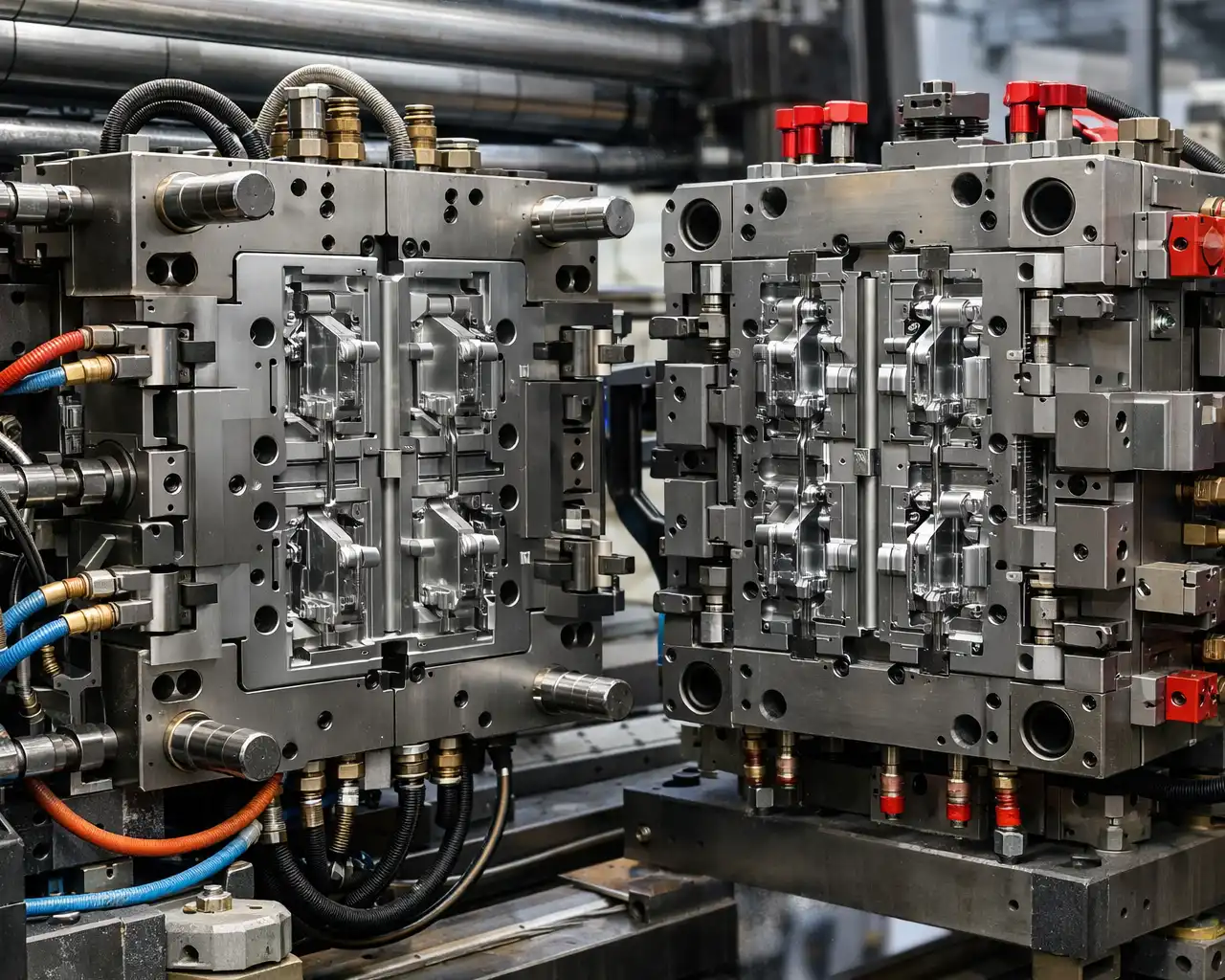
Tool relocation in injection moulding: why having your own toolmaking facility is crucial
Moving tools is always a technical task as well as a logistical one. Tools taken over are maintained, documented and configured in different ways. This is precisely where our in-house toolmaking department offers a decisive advantage: after taking over each tool, we inspect it for wear, functionality and suitability for series production, and carry out any necessary repairs, adjustments or optimisations directly in-house – without any external waiting times.
This allows us to identify and address typical risks at an early stage: warped contours, leaky hot runners, missing mould drawings, or process parameters that have never been properly documented. We then run the mould in near-production conditions on over 30 injection moulding machines and ensure quality through a further sampling process accompanied by an initial sample test report (EMPB).
With over 75 years of experience, we know what really matters when it comes to tool changeovers in injection moulding: it is not the fastest approach, but a controlled one that ensures long-term production reliability. You retain full control at all times – from the initial assessment right through to stable, routine operation.
Frequently asked questions
FAQ on relocation

Call us
Send us an email