
Structured processes for reproducible quality.
Manufacturing of plastic components in injection molding.
Plastic injection moulding – from the first batch to ongoing production. Clear processes, documented parameters and state-of-the-art technology ensure that components are produced reliably and remain consistently reproducible.
What we mean by plastic injection moulding
Structure instead of coincidence.
For us, manufacturing means more than machine runtime. It includes all steps necessary to produce plastic components consistently, predictably and reproducibly – regardless of production volume or runtime.
Manufacturing in injection molding
Precision manufacturing – reproducible results.
In plastic injection moulding, the outcome depends on the interplay of many factors: material, mould, machine and process parameters. We fine-tune these factors to work in perfect harmony and document them in such a way that results can be reproduced at any time.
Our manufacturing is designed to bring components safely into production and keep them stable there.
Check functionality. Define processes. Laying the foundations.
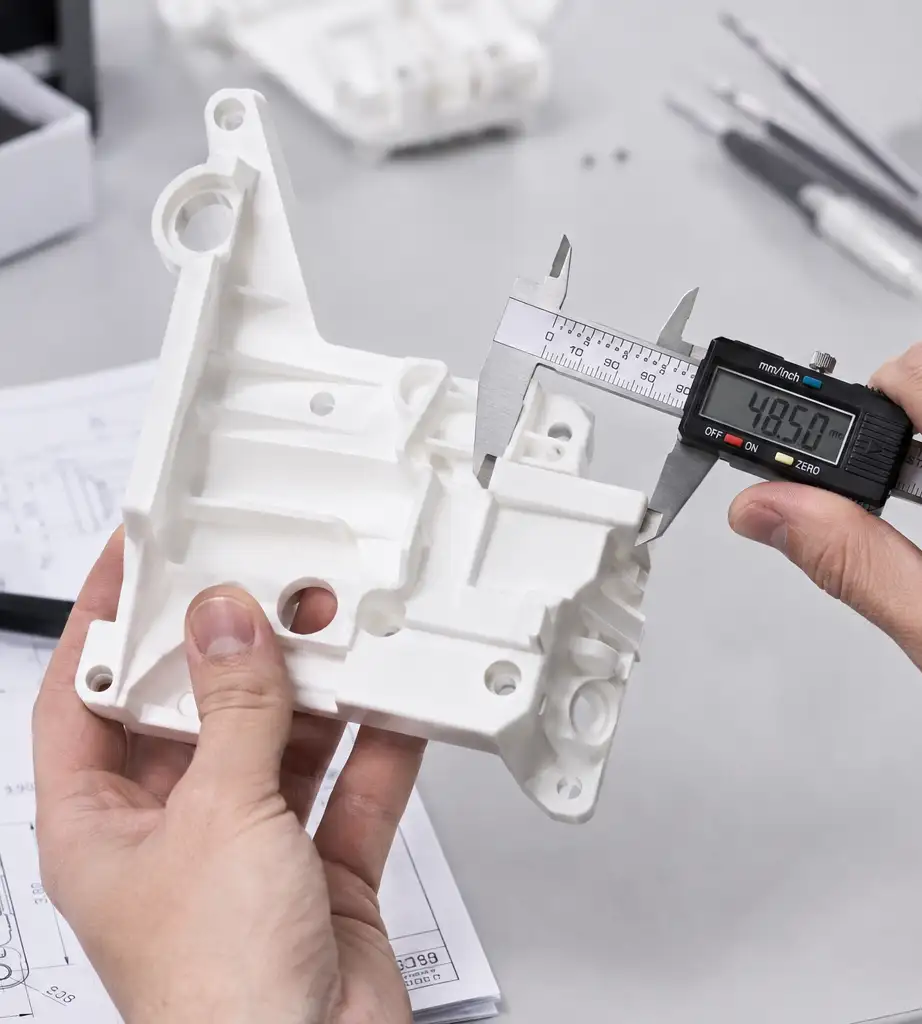
During the prototyping and sampling phase, we manufacture initial components for technical evaluation. We examine the geometry, material behaviour and functionality, and carefully adjust and document the process parameters.
The aim is to establish a solid foundation for future mass production – using standardised settings rather than one-off prototypes.
Designed for the long term. Consistently manufactured.
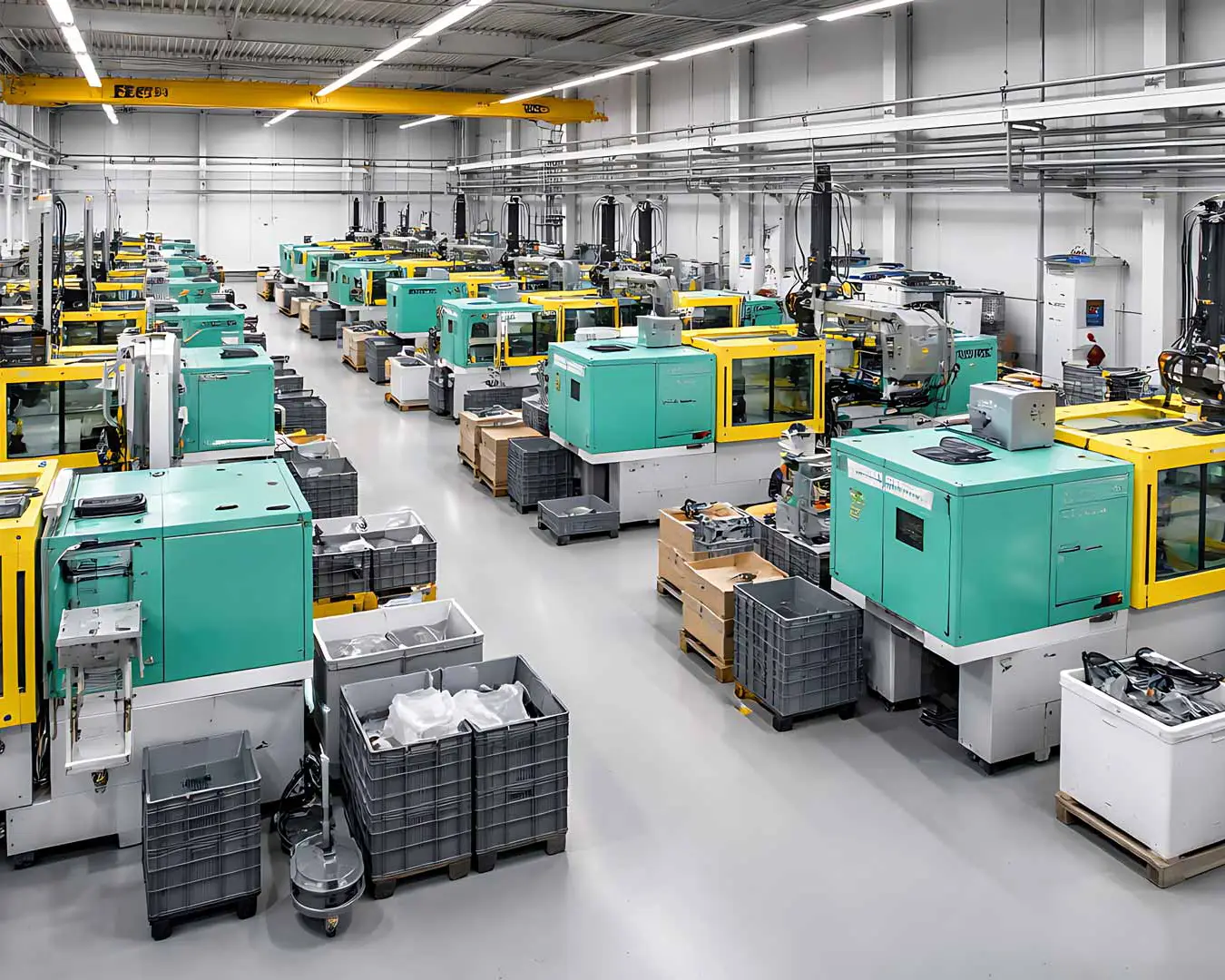
Our production facilities are designed to ensure maximum process stability for high-volume production runs and long production cycles. Automation, standardised procedures and documented processes ensure that quality, delivery volumes and deadlines are consistently met.
Even with high-volume production runs, the manufacturing process remains manageable, traceable and reproducible.
Reliably put into production. Mastered with confidence.
Once approved, the defined parameters are incorporated into the production process. Set-up procedures, machine parameters and inspection intervals are clearly defined and designed to ensure repeatability.
Serial production is carried out under continuous monitoring, ensuring that any deviations are detected and corrected at an early stage – guaranteeing consistent quality throughout the entire production run.
Machines & technical foundation
Technology that supports manufacturing.
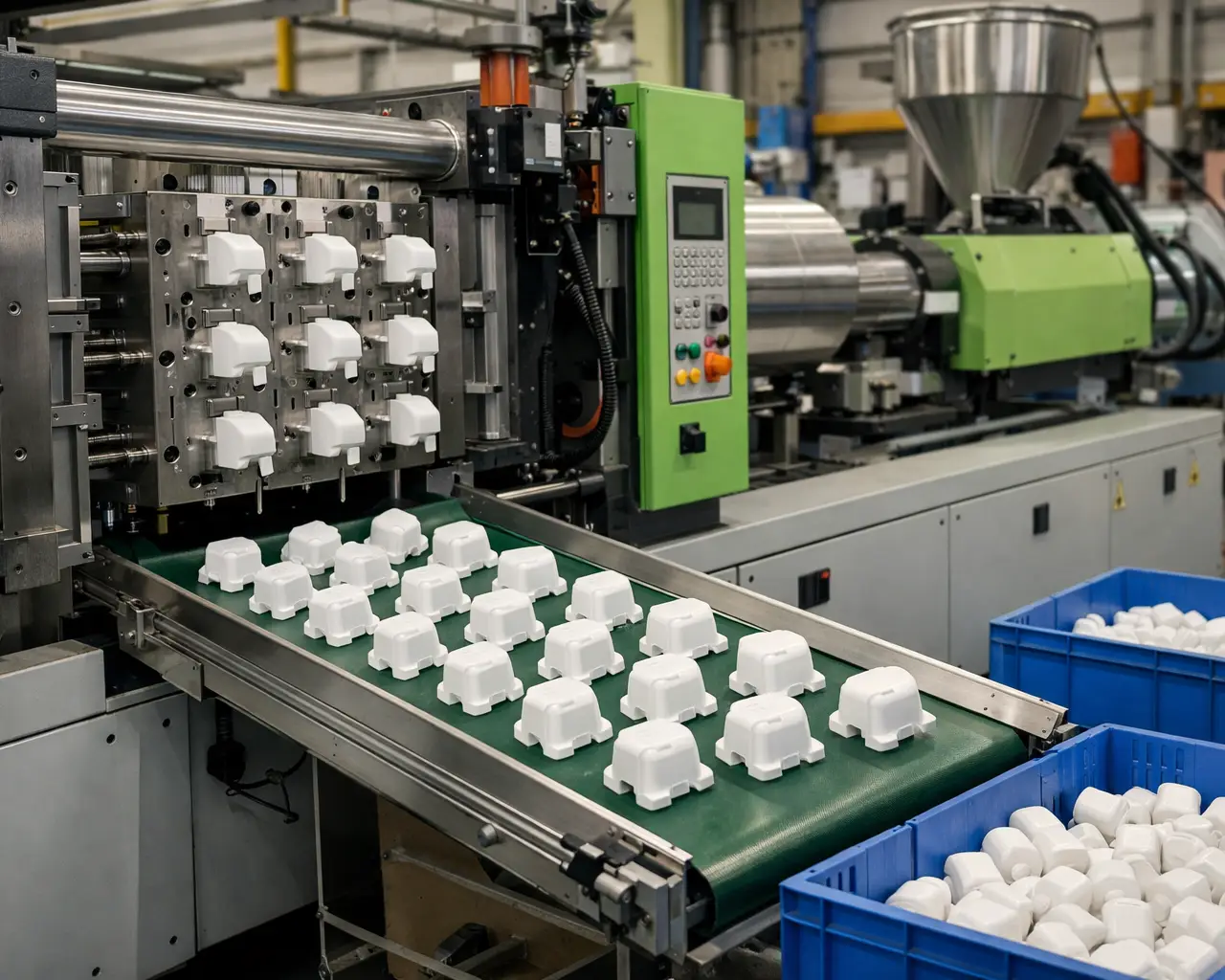
The foundation of our manufacturing is formed by more than 30 modern injection molding machines – mainly from Arburg. Combined with automation, removal and handling systems, this creates a manufacturing environment designed for continuity.
Materials & component variety
Plastic injection moulding for a range of requirements.
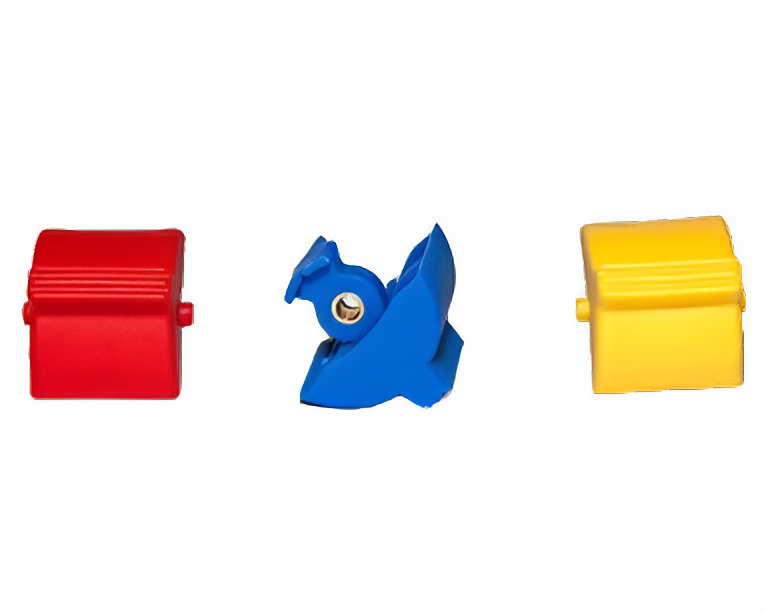
We process a wide range of engineering plastics – selected to suit the intended function, load and application.
Our material advice is always tailored to the specific application – not a one-size-fits-all approach.
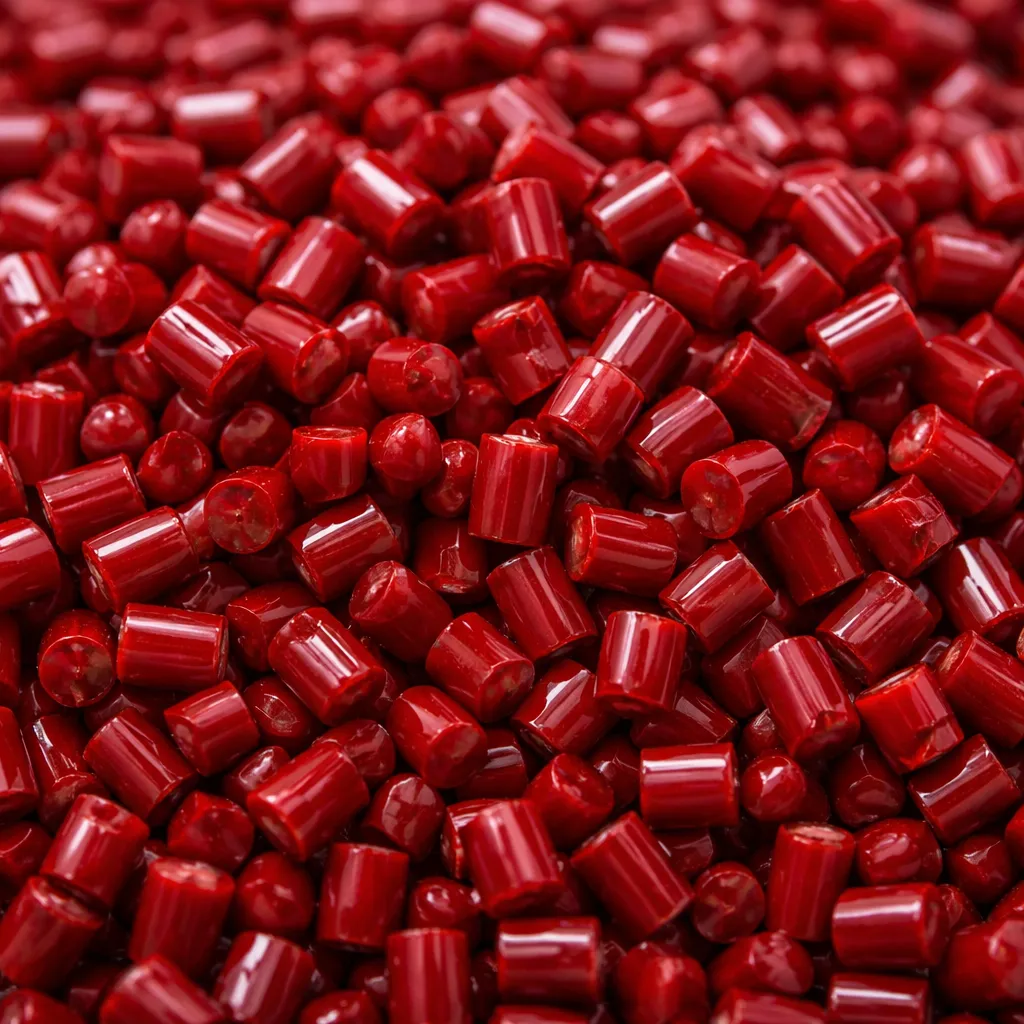
ABS
(Acrylonitrile Butadiene Styrene)
dimensionally stable, cost-efficient
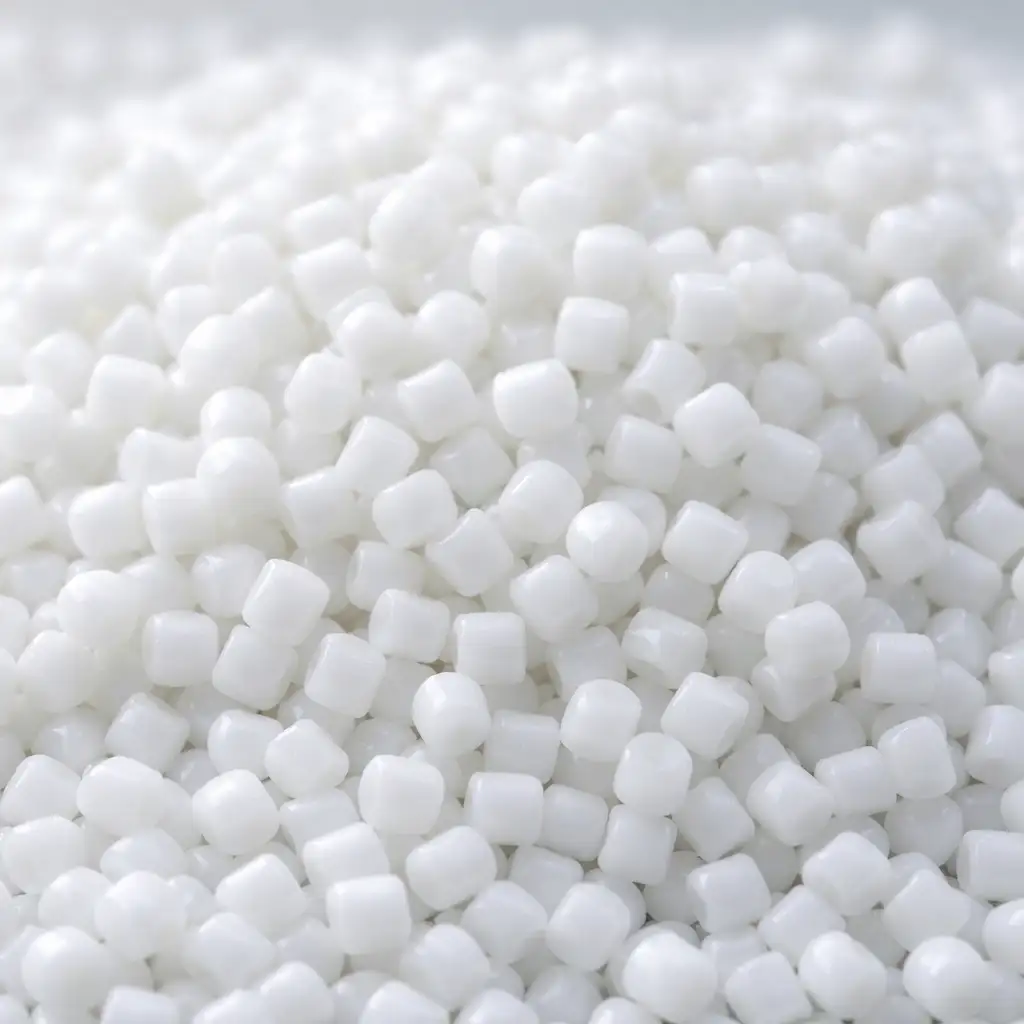
POM
(Polyoxymethylene)
precise, low-friction
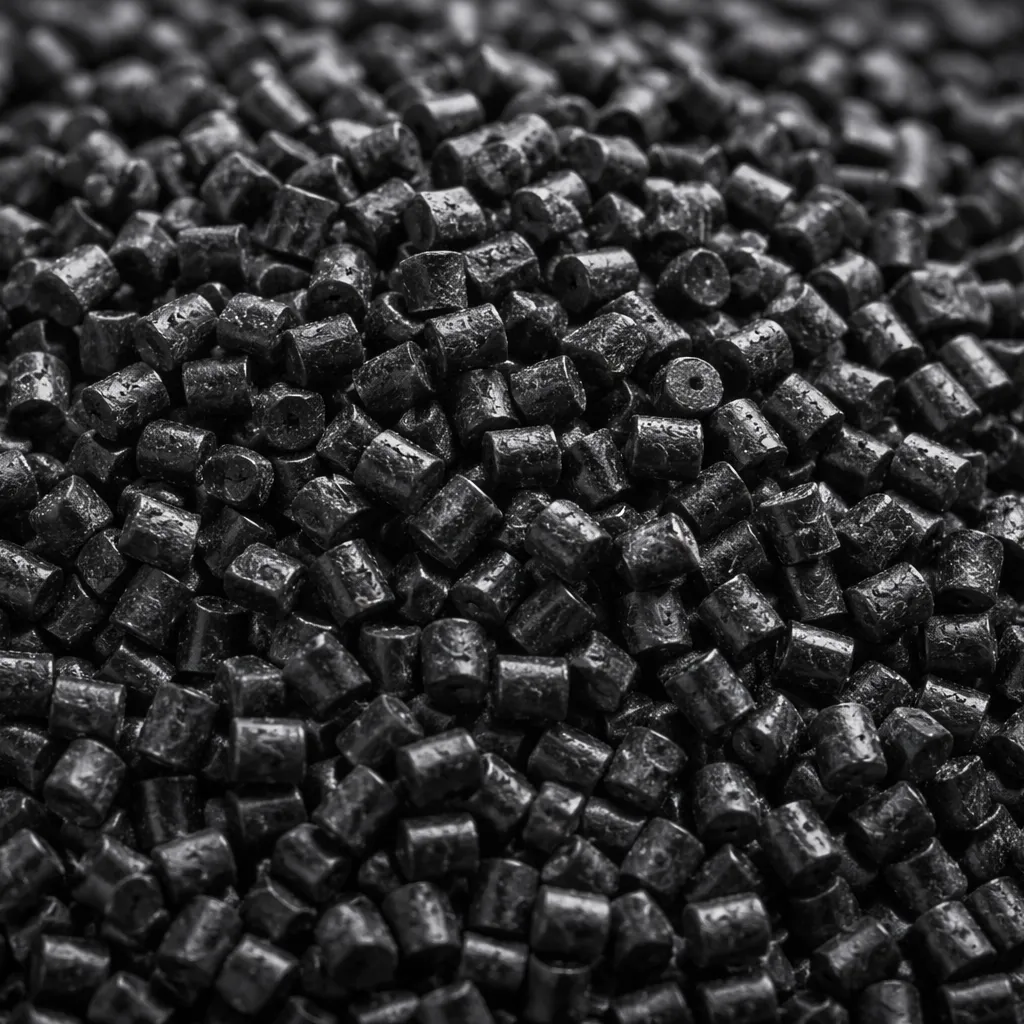
PA / PA-GF
(Polyamide / glass fiber reinforced polyamide)
high mechanical strength
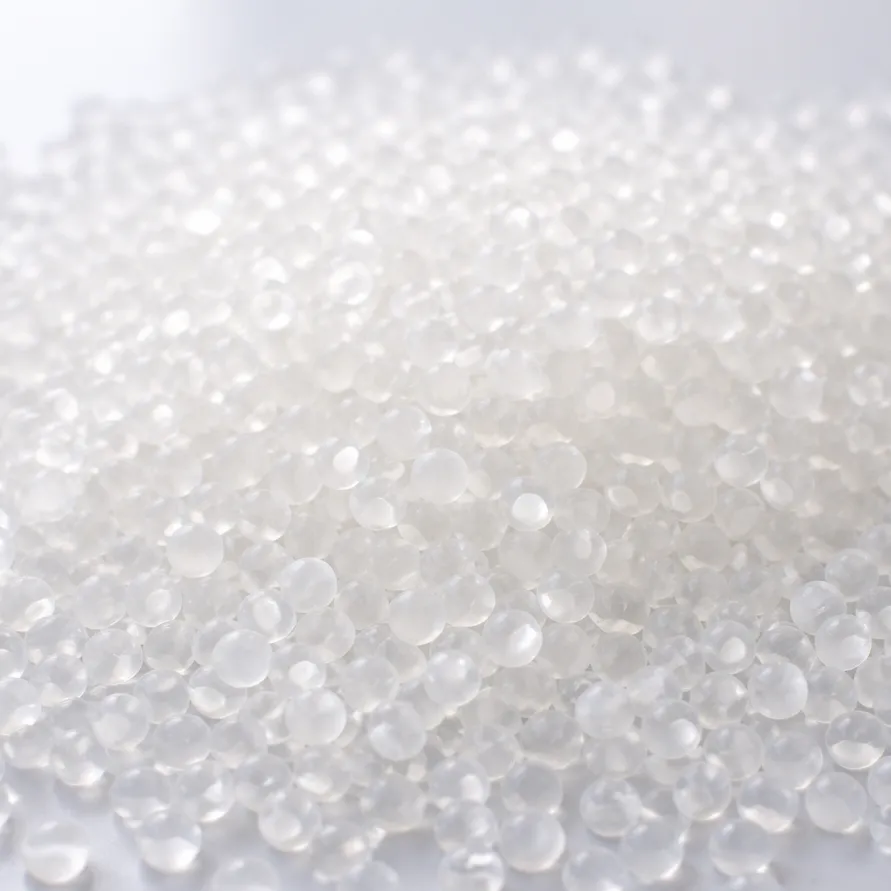
TPE / TPU
(Thermoplastic Elastomers / Thermoplastic Polyurethane)
flexible, functional
Frequently asked questions
FAQ on plastic injection moulding
Would you like to gain a better understanding of plastic injection moulding?
On our information page, you will find a concise overview of the process, the injection moulding procedure, key technical terms, as well as materials, applications and economic factors. Ideal for anyone who wants to quickly and easily understand the technical aspects of plastic injection moulding.

Call us
Send us an email